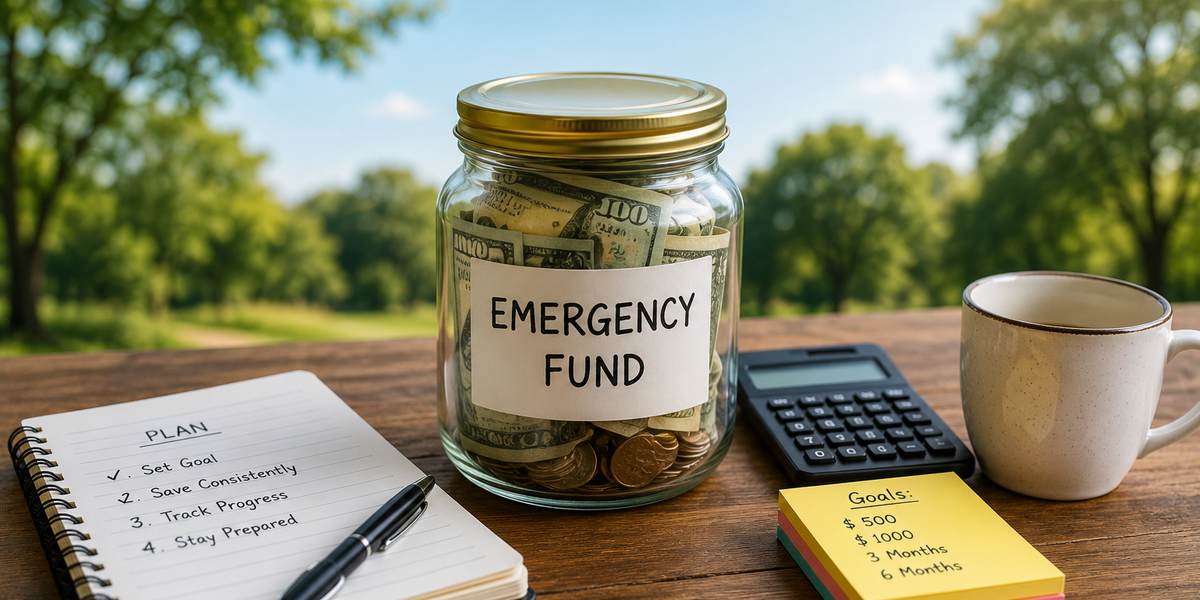
How to Build an Emergency Fund Step by Step
An emergency fund is money set aside for unexpected expenses, such as medical bills, urgent home repairs, car problems, job loss, or sudden travel.
It is not meant for holidays, shopping, or planned purchases. Its purpose is to protect you when life becomes expensive without warning.
Building one can feel difficult, especially when your budget is already tight. But you do not need to save thousands immediately. The most effective approach is to start small, build consistently, and increase the fund over time.
Step 1: Decide What Counts as an Emergency
Before saving, define what the money is for.
A real emergency is usually unexpected, necessary, and difficult to cover with your regular monthly income.
Examples may include:
- Urgent medical or dental costs
- Essential car or home repairs
- Temporary loss of income
- Emergency travel
- Replacing an essential appliance
- Unexpected family expenses
A sale, holiday, concert, or nonessential purchase is not an emergency, even when it feels urgent.
Clear rules make it easier to protect the fund and avoid spending it unnecessarily.
Step 2: Set a Small First Goal
Many people hear that they need several months of expenses and become discouraged before they begin.
Start with a smaller target.
Your first goal might be $500, $1,000, or enough to cover one common unexpected expense. Choose an amount that feels meaningful but still achievable.
A starter fund will not protect you from every financial problem, but it can help prevent a smaller emergency from immediately turning into credit card debt.
Once you reach the first target, you can begin working toward a larger amount.
Step 3: Calculate Your Essential Monthly Expenses
Eventually, many people aim to save several months of essential living costs.
To calculate this amount, list the expenses you would still need to pay during a financial emergency.
These may include:
- Housing
- Utilities
- Basic groceries
- Transportation
- Insurance
- Healthcare
- Childcare
- Minimum debt payments
- Essential phone and internet costs
Leave out optional spending such as restaurants, entertainment, travel, and nonessential shopping.
If your essential expenses total $2,000 per month, a three-month emergency fund would be $6,000. A six-month fund would be $12,000.
Your final goal depends on your circumstances. Someone with stable employment and two household incomes may need less than a freelancer, single-income household, or person working in an unpredictable industry.
Step 4: Open a Separate Savings Account
Keep emergency savings separate from the account you use for everyday spending.
A dedicated account makes the money easier to track and less tempting to spend.
The fund should usually be kept somewhere safe, accessible, and separate from long-term investments. A savings account that earns interest may be suitable, provided you can access the money when necessary without major penalties.
Avoid placing the entire fund in investments that may lose value or take time to sell. Emergency money should be available when you need it.
Step 5: Choose a Realistic Monthly Amount
Review your income and expenses, then decide how much you can save regularly.
The amount does not need to be impressive. It needs to be sustainable.
You might begin with:
- $10 per week
- $50 per month
- 5% of each paycheck
- A fixed amount every payday
Saving $25 per week would add up to $1,300 over a year, before any interest.
A smaller amount saved consistently is more effective than an ambitious target that forces you to stop after a few months.
Step 6: Automate Your Savings
Automatic transfers can make saving easier.
Schedule a transfer from your main account to your emergency savings shortly after you are paid. This allows you to save before the money is absorbed by other spending.
Treat the transfer like a regular bill.
When your income increases or an expense disappears, raise the automatic amount. Even small increases can shorten the time needed to reach your goal.
Step 7: Find Money Without Cutting Everything
Building an emergency fund does not require removing every enjoyable expense from your life.
Start by looking for money that is already being lost or used without much value.
You could:
- Cancel unused subscriptions
- Reduce frequent takeaway meals
- Compare insurance or phone plans
- Sell items you no longer use
- Direct cash gifts or bonuses into savings
- Save part of a tax refund
- Use income from temporary freelance work
One-time income can give the fund a strong early boost, while regular contributions keep it growing.
Step 8: Prioritize High-Interest Debt Carefully
Saving while paying off debt can feel confusing.
If you have high-interest debt, such as a credit card balance, it may make sense to build a small starter emergency fund first and then focus more aggressively on repayment.
Without any savings, one unexpected expense may force you to use the credit card again.
A basic financial cushion can help break that cycle. After expensive debt is under control, you can increase your emergency savings.
The right balance depends on your interest rates, income stability, and financial risks.
Step 9: Increase the Fund Gradually
Once you reach your first goal, do not stop.
Move to the next milestone, such as:
- A starter fund
- One month of essential expenses
- Three months of essential expenses
- Six months, when appropriate
Breaking a large target into stages makes progress easier to see.
You may need a larger fund if you are self-employed, have dependents, rely on one income, own an older home or vehicle, or expect changes in your employment.
Step 10: Use It Only When Necessary
Before taking money from the fund, ask:
- Is this expense unexpected?
- Is it necessary?
- Does it need to be paid now?
- Can I cover it another way without creating a larger problem?
Sometimes using the fund is absolutely the right decision. That is why it exists.
Do not feel guilty when a genuine emergency occurs. The fund has done its job by helping you avoid debt, missed payments, or greater financial stress.
Step 11: Rebuild After Using It
After an emergency, begin rebuilding the fund as soon as your situation stabilizes.
Return to your regular automatic contributions or temporarily increase them if your budget allows.
You do not need to replace the entire amount immediately. Rebuild it using the same gradual process that worked the first time.
Review what happened as well. The experience may show that you need a larger fund, better insurance, or a separate savings category for predictable repairs and maintenance.
Avoid Common Emergency Fund Mistakes
One common mistake is keeping the money in your everyday account, where it is easy to spend accidentally.
Another is investing all of it in volatile assets. Long-term investments may be appropriate for future goals, but emergency savings need stability and accessibility.
Some people also set such a large target that they feel defeated. Start with an achievable milestone instead of waiting until you can save a perfect amount.
Finally, do not use the fund for predictable annual expenses. Holidays, insurance renewals, school costs, and planned repairs should ideally have their own savings categories.
Final Thoughts
Building an emergency fund is not about saving a large amount overnight. It is about creating financial protection one contribution at a time.
Start with a small goal, keep the money separate, automate regular deposits, and increase the fund gradually.
Your target should reflect your essential expenses, job stability, household responsibilities, and personal risks.
An emergency fund cannot prevent unexpected events, but it can reduce the financial damage they cause. Even a modest amount can give you more control, more options, and greater peace of mind when something goes wrong.