How to Start a Small Business with No Money
Starting a business is often associated with large investments, office space, inventory, and expensive marketing. In reality, many businesses begin with little more than a useful skill, a clear idea, and the willingness to find paying customers.
Having no money does create limitations, but it can also encourage smarter decisions. Instead of spending months building a perfect brand, you focus on solving a real problem, generating revenue, and growing gradually. The goal is not to ignore the importance of money but to choose a business model that can begin with the resources you already have.
Start With What You Already Have
Before looking for investors or business loans, take inventory of your existing resources. Consider your professional skills, work experience, hobbies, personal network, available time, and access to basic tools such as a laptop or smartphone.
Think about what people already ask you to help with. Perhaps you are good at writing, organizing, designing, teaching, cooking, photography, social media, or managing projects. Any of these skills could become the foundation of a business.
Ask yourself:
- What can I do well enough that someone might pay for it?
- What problems do people regularly ask me to solve?
- Which services can I offer without buying equipment or inventory?
Your first business does not need to be your dream company. It can simply be the most practical way to turn your current skills into income.
Choose a Low-Cost Business Model
Some businesses require significant startup capital, while others can begin with almost no upfront investment. If money is limited, service-based businesses are often the easiest place to start because you are selling your time, knowledge, or expertise.
Examples include freelance writing, graphic design, tutoring, consulting, translation, social media management, virtual assistance, bookkeeping, photography, cleaning, pet sitting, and home organization.
Digital products, such as templates, guides, online courses, and printables, can also be inexpensive to create. However, they often require an existing audience or strong marketing strategy before they generate consistent income.
Choose a business model that allows you to earn quickly without taking on unnecessary financial risk.
Find a Problem People Will Pay to Solve
A good business does more than offer a product or service—it solves a specific problem.
Avoid ideas that are too broad. “Helping businesses with marketing” may be difficult to explain. “Creating social media content for local restaurants that do not have a marketing team” is much clearer.
Talk to potential customers before building anything. Ask what challenges they face, how they currently solve them, and what they dislike about the available options. These conversations can help you understand whether there is real demand.
Do not rely only on compliments from friends. The strongest sign that an idea has potential is that someone is willing to pay for it.
Test the Idea Before Spending Money
Many new business owners invest in websites, logos, products, and advertising before confirming whether customers are interested.
Instead, create the simplest possible version of your offer. Explain what you provide, who it is for, how much it costs, and how customers can get started.
If you want to create an online course, begin with a live workshop. If you are launching a product, consider accepting preorders before purchasing inventory. If you want to build an app, test the service manually before investing in development.
Early customer feedback can help you improve the idea without wasting time or money.
Use Free Tools
You do not need expensive software to operate a new business. Free or basic tools can support communication, video meetings, invoicing, design, project management, social media, and file storage.
A simple social media page may be enough to introduce your business while you test the idea. You can invest in a professional website and premium tools later, once the business begins generating revenue.
Before paying for anything, ask whether the expense will help you earn money, improve the customer experience, or save enough time to justify the cost. If not, it can probably wait.
Find Your First Customers
Without an advertising budget, direct outreach and personal connections can be powerful.
Start by telling former colleagues, friends, professional contacts, and community members what you offer. Be specific. Instead of saying, “I started a business,” explain the problem you solve and the type of customer you want to help.
You can also contact potential customers directly. Personalize your message, mention something relevant about their business, and explain briefly how you may be able to help.
Your first customers may also provide testimonials, referrals, and feedback. These can help build trust and make it easier to attract future clients.
Create a Clear Offer
Customers should be able to understand your service quickly. A clear offer explains who it is for, what problem it solves, what the customer receives, how long delivery takes, and how much it costs.
For example, instead of offering general “marketing support,” you could provide a monthly package that includes a content calendar, twelve social media posts, captions, and one strategy meeting.
Simple packages make your services easier to explain, price, and deliver.
Price Your Work Carefully
New business owners often charge very low prices because they lack experience. An introductory rate can help attract early customers, but pricing too low may make the business difficult to sustain.
Consider all the time involved, including preparation, communication, revisions, administration, and delivery. Research what similar businesses charge, but do not assume you must be the cheapest option.
Customers also value reliability, quality, expertise, and good communication. As your experience and demand grow, adjust your prices accordingly.
Reinvest Your First Profits
When you begin earning money, reinvest part of it into areas that support growth. This might include better equipment, useful software, professional training, marketing, insurance, or a website.
Prioritize investments that improve your service, save time, or help generate additional revenue. Avoid spending money simply to make the business appear more established.
Growth should be based on customer needs and financial results, not appearances.
Keep Track of Your Finances
Even a very small business needs organized financial records. Track your income, expenses, invoices, payments, and receipts from the beginning.
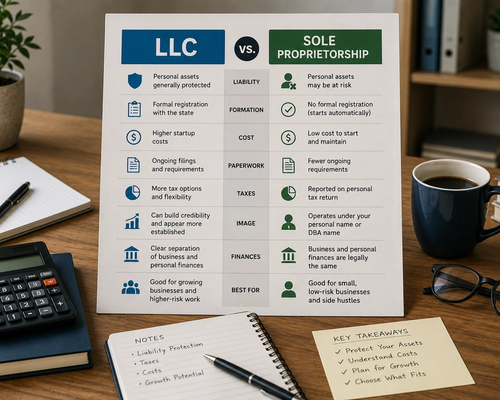
Depending on where you live, you may need to register the business, obtain permits, pay taxes, or meet other legal requirements. Research the rules in your country and seek professional advice when necessary.
Separating personal and business finances can also make bookkeeping easier and help you understand whether the business is profitable.
In conclusion
Starting a small business with no money is possible when you begin with the resources you already have and focus on creating value.
Choose a low-cost business model, solve a problem people are willing to pay for, test your idea before investing, and use free tools while building your customer base. Your first version does not need to be perfect. It only needs to be useful enough for someone to pay for it.
Money can help a business grow, but skills, consistency, customer trust, and the willingness to start are often what help it begin.